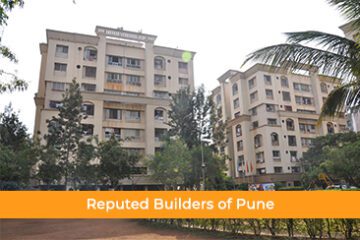
Pune is a huge city, with new buildings and projects rising every day. There are as many buyers for these houses and projects as there are for them. But purchasing a property is no longer merely a matter of exchanging money for ownership. Now it has become a series of rules to follow, conditions to meet, and certain things to keep in mind. Everything now falls under the buyer’s due diligence, which is reduced by going through proper channels and ensuring the buyer is indeed getting what they want.
What Is RERA?
When it comes to property purchases, particularly in Pune, it is the very best idea to buy properties that have MahaRERA approval. RERA stands for the Real Estate (Regulation and Development) Act, 2016, which establishes Real Estate Regulatory Authorities in Indian states to regulate the real estate sector, promote transparency, and ensure customer rights. MahaRERA is the Maharashtra state iteration of this act and is the final deciding authority in any dispute regarding properties registered with them.
But what if the property is not RERA-registered?
Should you choose to purchase a property that is not registered to RERA, or in the case of Pune, MahaRERA, then you should be aware of the consequences of such a choice will bring you. Being registered with RERA is the best avenue in the event of any disputes, as it helps ensure accountability. RERA also helps establish a property’s legitimacy and ensures that the purchase proceeds in accordance with the legal terms of Indian real estate law. Butba property bought without MahaRERA approval or registration might cause the following problems for you as the buyer –
1. An Absolute Lack Of Legal Recourse:
Should you buy any property that is not registered to RERA or has the official approval from this government entity, then you have no leg to stand on should you decide to go ahead with any kind of legal proceedings against the developers or builders regarding any breach of contract. Without a RERA registration, signed documents may not hold up in court, and if the builder or developer undertakes any unsavoury work, there is no one to hold them to their word. RERA brings legality to the entire structure and planning, but if it is lacking, there is nothing really stopping the developer from cutting corners.
2. Matters of Project Delays and Abandonment:
If you are given a date for moving in that keeps getting postponed indefinitely or just pushed back without any guarantee, you have recourse to take if your building is registered with RERA. If it is not registered, you cannot compel the builder or developer to complete construction on time and hand over ownership to you immediately. There will certainly be no consequences for the developers should they be unable to deliver, even in the face of legally binding documents, if they can show just cause, as they will not be bound beyond the self-attested agreement to keep to the given timeline. And if the construction is completely dropped or abandoned due to a lack of funds or other issues, not only will the buyer not get even a half-completed house, but they will also lose every bit of money they put in.
3. Difficulties Faced in Financing and Reselling:
RERA registration and approval mean that 70% of the funds accumulated must be kept in an escrow so that the construction does not face any kind of cash flow problems. Without that rule or the stand to enforce it, there is no guarantee that the developer will be able to cover all the cash required during construction. Even loans and other means of raising capital may fail, and construction may come to a standstill. Add to that the fact that even after the construction is completed and you have the ownership of the property, you might still face problems in reselling your property to another seller due to insufficient information about the financials, because not all will be willing to buy a property that was not registered with RERA as the primary buyer.
4. Addressing Misrepresentations of Project Details:
RERA demands that every plan and change to the construction be regularly updated on their official website so that the buyer is always in the loop about the state and pace of construction. Those without RERA registration are not obligated to show this information to buyers and potential customers if they don’t want to. They don’t have to follow any rules if they decide to cut corners and provide subpar materials despite the particulars in the initial agreement. If there are any changes to the planning, construction, or development, the developer may not update the buyer, leading the buyer to discover that the house they paid for and the plans they approved are not the property they are eventually getting.
5. Possible Legal and Structural Risks:
Getting a property RERA-approved certification takes away a lot of future problems for the buyers. They don’t have to pore over bills and papers to ensure that everything is by the book. They don’t have to think of the worst-case scenarios and try to figure out how best to avert them. They don’t have to keep abreast of the legalities and formalities and make sure that the developers or builders are following through on everything as they should. A RERA-registered and approved property will have all of these sorted out, leaving nothing like this big a headache for the buyer.
Thus, it is very clear that a property built with RERA registration and approval is far better than one without it. That leaves it to the buyer to check and be completely confident that the property they are buying is always RERA-compliant and registered, or just select properties built by only trusted and tested companies such as Kumar Builders. No buyer will regret buying from a trusted developer who has proven again and again that they do their job well, and always fully registered with MahaRERA in Pune.